The Art of Slow: Why Creativity Needs Space, Not Speed
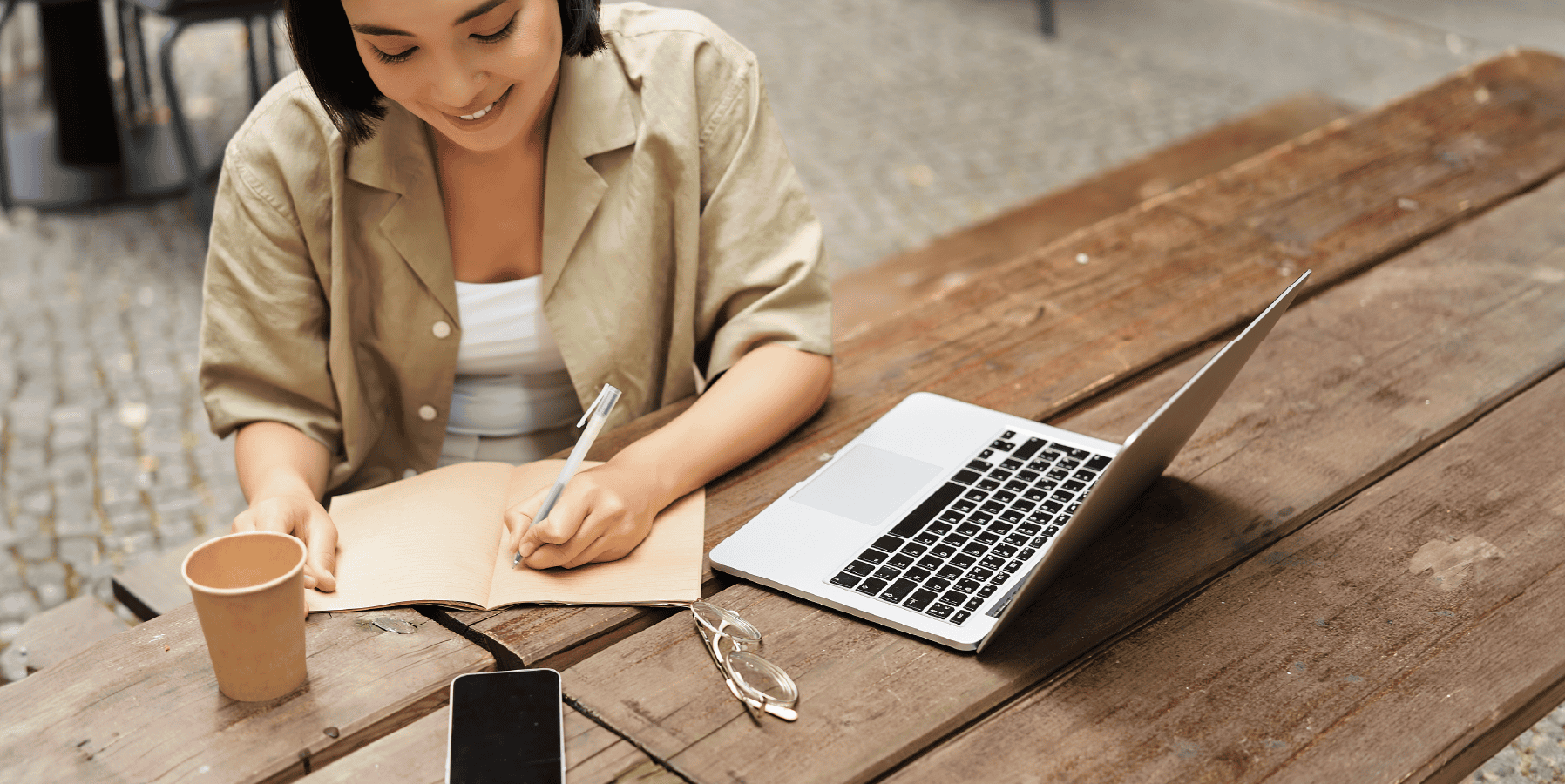
Contrary to what the internet and social media would have us believe, art is slow, painfully slow. It often feels like it belongs to a bygone, pre-digital era: a time when monks spent entire lifetimes mastering the delicate strokes of calligraphy, J.R.R. Tolkien devoted 12 years to writing his masterpiece, and George R.R. Martin still hasn’t finished his and perhaps never will. Yet here we are, living in a world that demands speed, instant output, and constant visibility.
Living With the Pressure of Speed (and Why the Art of Slow Matters)
On the page, as a writer, I feel the pressure of speed. The digital world whispers: write faster, publish sooner, stay relevant. But the work that has truly shaped me has never come out of a sprint. It came slowly – in pauses, rewrites, and the long stretches where nothing seemed to move forward.
In the editorial room, I see it again when choosing topics – pieces that should intrigue, surprise, and clearly carry a human voice. The irony is that even as I try to resist the rush, the tools of speed are everywhere. Not only do people create less carefully, but they read less attentively, they research less deeply, and more often than not, they turn straight to ChatGPT to do the work for them.
And in marketing, it appears once more, hidden in every campaign, every social media post, every newsletter. Creativity there isn’t about writing the perfect essay or finding a unique editorial angle – it’s about breathing life into what looks ordinary. Yet this, too, is slowly disappearing, because people don’t slow down enough to shape ideas with care. And in those few seconds of attention a reader gives you, only what’s crafted with time has a chance to stand out.
Why Does Speed Sometimes Feel Like the Only Option?
Because the internet rewards immediacy. Whoever publishes first, whoever reacts fastest, gets attention. But attention is not the same as impact. As writers, editors, or creators of any kind, chasing speed often leaves us with work that feels shallow even to ourselves. The truth is: nobody remembers the fastest article; they remember the one that stays with them.
How the Art of Slow Helps You Create Work That Lasts
By giving yourself permission to slow down. That might mean letting a draft rest for a day instead of hitting publish the moment you type the last word. It might mean rereading with fresh eyes, asking yourself: Is this really the angle I want to explore? Does it sound like me, or just like everyone else?
As an editor, I’ve learned that topics worth pursuing are rarely the first ones that come to mind. The best angles often appear after you sit with an idea, turn it over, and allow silence to do its work.
Is Practicing the Art of Slow Risky in a Fast World?
Yes, but so is being forgettable. If you’re only producing to keep up, the pace itself becomes the message, and it tells your audience: “this could have been written by anyone.”
Slowing down is how you make it yours. It signals that the piece you’re writing, the product you’re designing, or the business you’re building is not just another template or echo. It’s uniquely you.
What Does This Mean for Your Online Presence?

The same principles apply to your digital identity. You can set up a landing page in hours, maybe even in minutes. But to make that space a true reflection of your work, to make it memorable, takes time.
Whether you’re a freelancer, an artist, or a small business, the lesson is the same. Your website or portfolio (one that hopefully carries a carefully crafted domain name), isn’t just a digital placeholder or an address people click on. It’s the foundation of your identity online, the one place where you get to decide how your work is seen, how your story is told, and how your voice stands apart from the noise.
And when you take the time to shape it with care, it becomes more than a website. It becomes a mirror of your values and your vision. A reminder that in both art and business, what is carefully made has the power to endure.
Isn’t a Website Just a Tool?
It can be. Or it can be more. Think of the difference between a plain notebook and a handwritten manuscript. Both hold words, but only one feels like art. One you might flip through and forget; the other you might treasure, revisit, and even pass on.
A website works the same way. Yes, it can be simple – a place to book appointments, order a product, or view a portfolio. But when treated with care, it becomes more than a functional page. It turns into an experience for visitors: a space without distractions, where no algorithm interrupts, and where your work is seen exactly as you want it to be.
That’s the difference between a website that merely exists and one that endures. A carefully shaped digital home doesn’t just inform – it leaves an impression, the kind that lingers long after someone closes the tab.
How Can You Practice the Art of Slow?
If a website can become more than a tool when crafted with intention, the same is true for everything else you create. Practicing the art of slow means building in moments of pause – giving your ideas, projects, and even your digital presence the time they need to take shape.
It’s not procrastination. It’s a deliberate choice to trade speed for depth, and quantity for clarity. That shift is what separates work that disappears from work that lasts.
Here are a few ways to bring the art of slow into your daily process:
- Pause before publishing. Let a draft, campaign, or post rest for a day before hitting “publish.” A fresh perspective often reveals what was missing.
- Edit with intention. Instead of asking “Is this finished?” ask “Is this worth remembering?”
- Choose quality over quantity. Fewer, better pieces build more trust than constant rushed updates.
- Invest in your digital presence. A portfolio or website can be built quickly, but shaping it into something that feels like art takes patience and refinement.
- Design for longevity. Whether it’s a blog post, landing page, or marketing campaign, focus on timeless clarity over trendy noise.
What You Gain by Slowing Down

Slowing down will rarely give you instant rewards. It won’t flood your inbox with new clients tomorrow or turn your draft into a bestseller overnight. But over time, it builds something stronger: work that endures.
Whether you’re writing a sentence, choosing topics for an editorial, or shaping a marketing campaign, the same truth applies – the time you invest in care and depth is the time that transforms ordinary work into art.
And the same goes for your digital presence. You can launch a website in a day, but to make it a true home for your voice, your products, or your business, you need patience. A presence crafted slowly carries authenticity, and that is what people return to, trust, and remember.
So give yourself permission to pause. To rewrite. To polish. To take the longer road. The results may not come immediately, but when they do, they’ll last – and that’s the real art of slow.